Gerätetauchen
Gerätetauchen, vom ersten Atemzug bis zur lebenslangen Praxis.
Tauchen ist kein Extremsport. Es ist eine langsame, technisch geprägte und zutiefst beruhigende Art, im Wasser zu sein — getragen von einer Sicherheitskultur, die seit siebzig Jahren verfeinert wird. Diese Seite gibt einen ehrlichen Einblick: wie du anfängst, was es kostet, was es von dir verlangt und welche Rolle Präsenz dabei spielt.
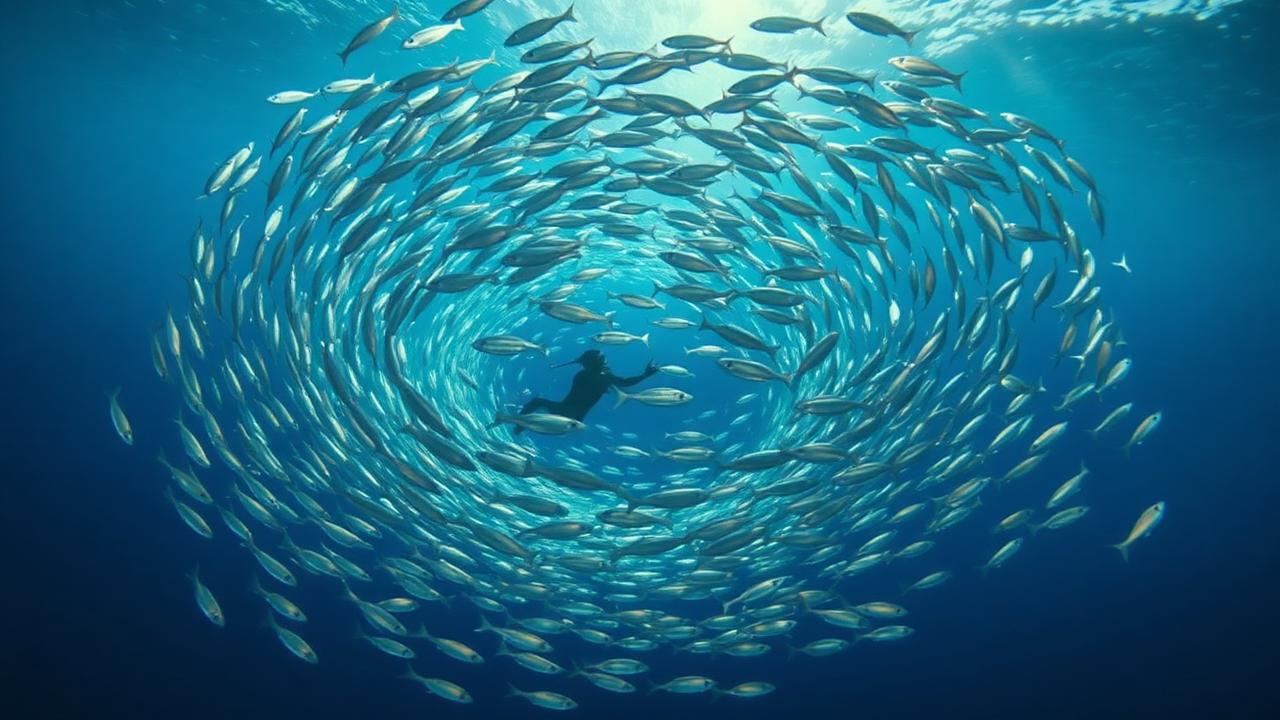
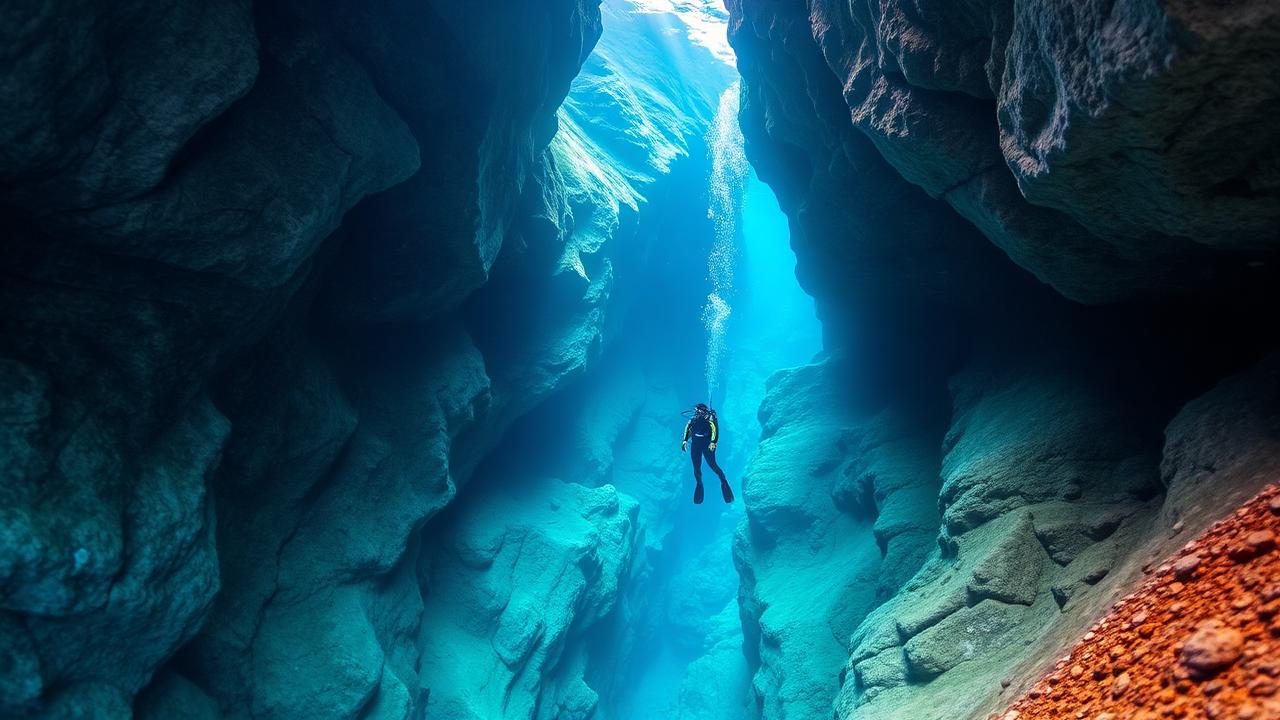
Die Wassergalerie
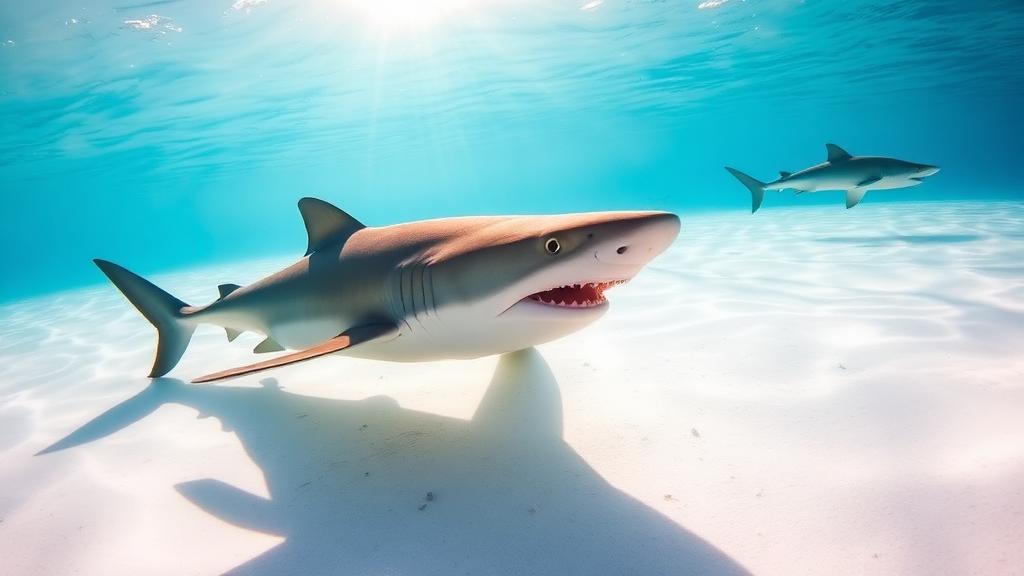
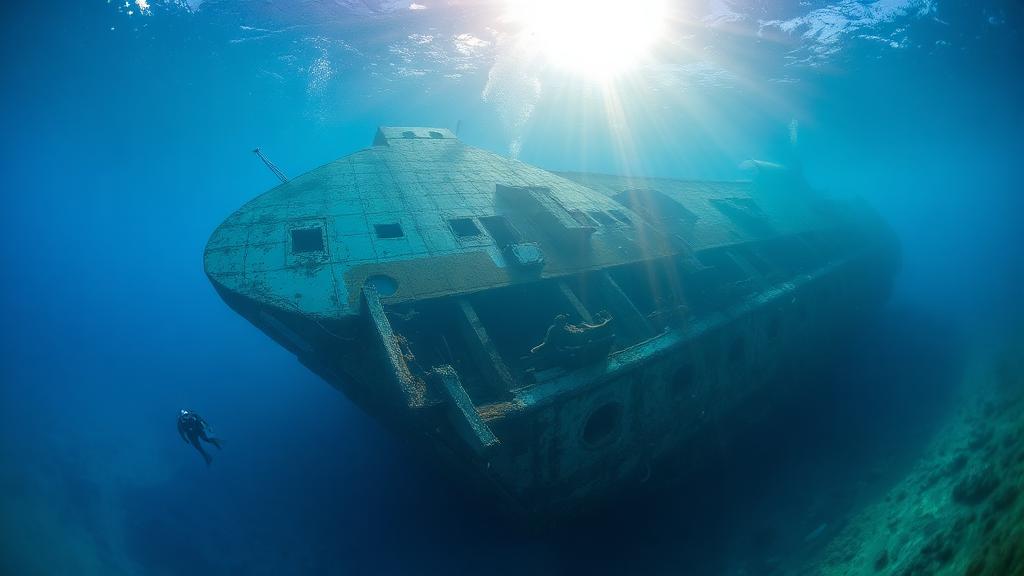
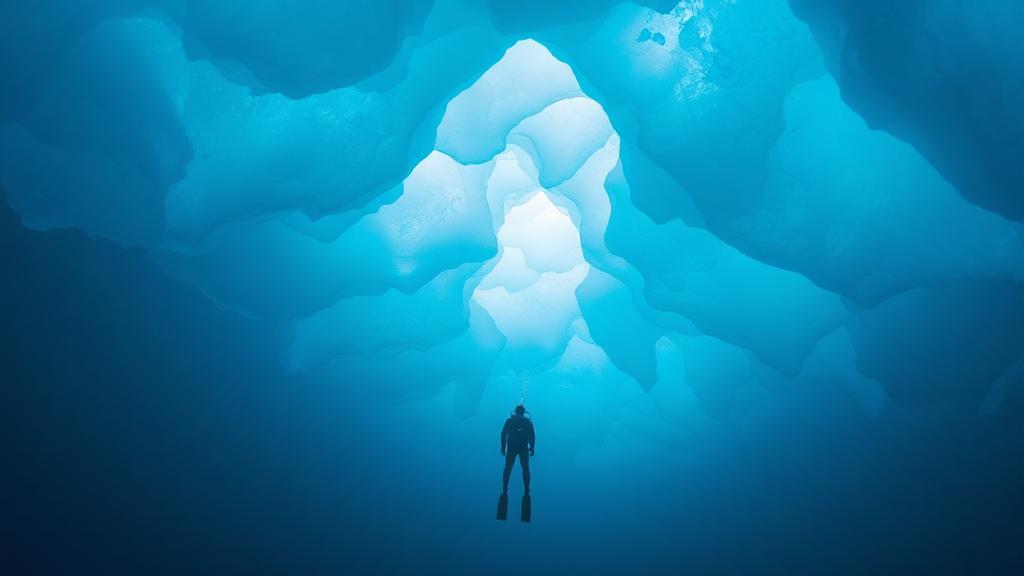
So beginnst du
01
Try a discovery dive
A guided shallow dive with an instructor, no certification needed. It answers the only question that matters at the start: how does your body feel breathing under water?
02
Take an open water course
Theory, confined water and four open-water dives with a recognised agency. This is the certification that lets you rent equipment and dive worldwide.
03
Build real hours
Twenty unhurried local dives teach more than one exotic trip. Buoyancy, gas consumption and calm are built by repetition, not by depth.
04
Add the presence layer
MD-1 Mindful Diver™ sits on top of your agency certification: an attention practice for before, below, between and beyond the dive.
Kosten und Zeitaufwand
Plane für dein erstes Brevet drei bis vier Tage ein. In Europa liegen die Kosten etwa bei 350–550 Euro, einschließlich Lernmaterial, Leihausrüstung und Brevetierungsgebühren. Dazu kommt ein medizinischer Fragebogen. Beantwortest du eine Frage mit Ja, ist eine ärztliche Freigabe erforderlich. Danach kostet ein geführter Tauchgang meist 40–70 Euro, mit eigener Ausrüstung weniger.
Sicherheit steht an erster Stelle, immer
Jede Praxis, die wir vermitteln, bleibt vollständig innerhalb der Standards deines Verbands und deines Tauchplans. Ausschließlich langsames, kontinuierliches Atmen — beim Gerätetauchen niemals den Atem anhalten, Sparatmung oder Hypoventilation — und keine Praxis in aufgabenkritischen Phasen wie Abtauchen, Auftauchen und Gasmanagement. Sicherheit ist die erste Achtsamkeitspraxis.
Tauchorte
Der Atlas der Präsenz zeigt 42 der lehrreichsten Tauchgewässer der Welt. Mit den besten Jahreszeiten, den Bedingungen und dem, was jedes Gewässer von Tauchenden verlangt.
Den Reiseführer zum Zielort öffnenWo Mindful Diving seinen Platz hat
Mindful Diving™ ergänzt SSI, PADI, CMAS und RAID und ist von ihnen unabhängig. Du tauchst weiterhin auf Grundlage deines Verbandsbrevets. MD-1 ergänzt es um eine zertifizierte, messbare Praxis der Aufmerksamkeit — und ist niemals Therapie oder medizinische Behandlung.
Häufige Fragen
- How do I start scuba diving?
- Start with an entry-level certification — an open water course from a recognised agency such as PADI, SSI, CMAS or RAID. It usually runs over three to four days and combines theory, confined-water sessions and four open-water dives. You need to be comfortable in water and to complete a medical statement; some answers require a doctor's sign-off.
- What does a first diving course cost?
- Prices vary by country and season. In Europe an open water course commonly falls somewhere around 350–550 euros including materials, rental equipment and certification fees; warm-water destinations in Asia and Central America are often cheaper. Ask what is included before comparing prices — certification fees and equipment rental are the usual omissions.
- How old do you have to be to scuba dive?
- Most agencies certify from 10 years old with depth restrictions, and issue full adult certifications from 15. There is no upper age limit; fitness and a clear medical statement matter more than age.
- Is scuba diving safe?
- Recreational diving inside agency limits has a strong safety record, and almost all serious incidents involve exceeding training, depth or gas limits, or diving with an unmanaged medical condition. Dive within your certification, with a briefed buddy, on a plan you both agreed on land.
- Where does Mindful Diving fit in?
- Mindful Diving™ is complementary to the diving agencies and never replaces them. Once you hold an agency certification, MD-1 Mindful Diver™ adds a trained, measured practice of attention inside the dive plan you already follow.
Vom Meer lernen wir zuerst.