Plongée avec scaphandre
La plongée sous-marine, du premier souffle à une pratique pour la vie.
La plongée n’est pas un sport extrême. C’est une manière lente, technique et profondément apaisante d’être dans l’eau, portée par une culture de la sécurité affinée depuis soixante-dix ans. Cette page en donne une vision honnête : comment commencer, à quel coût, ce que cela demande et quelle place y tient la présence.
La galerie de l’eau
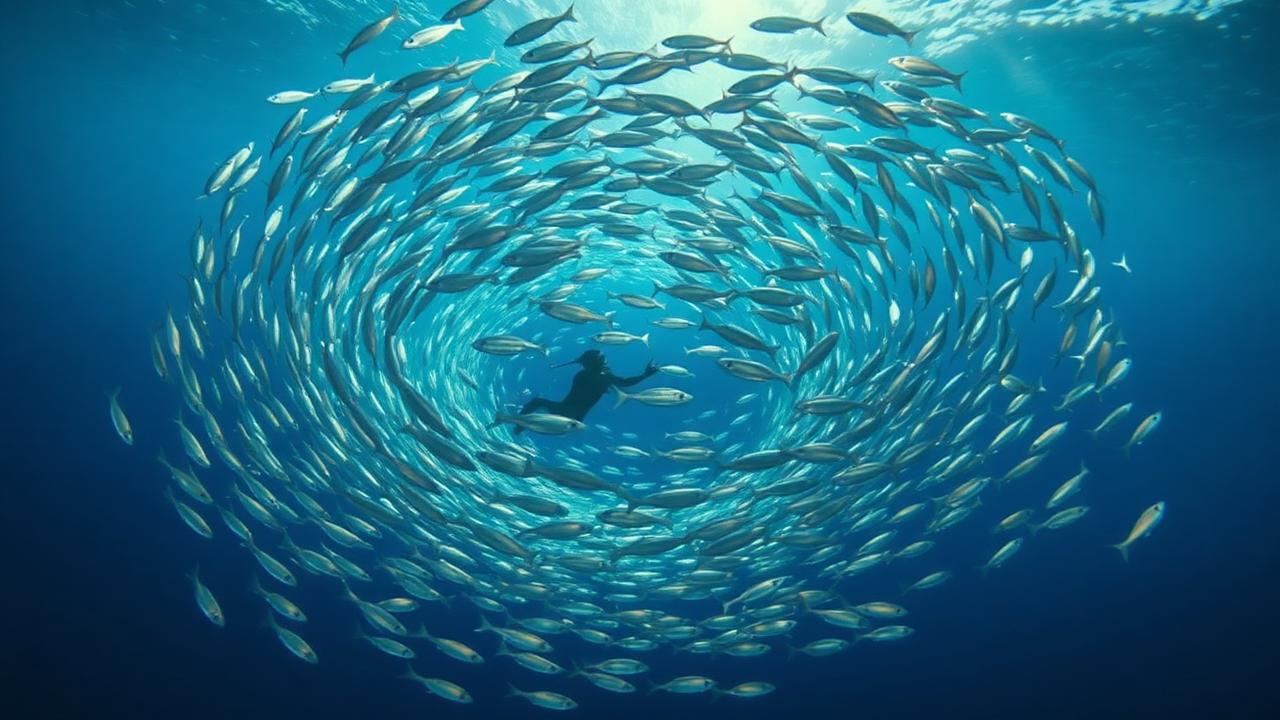
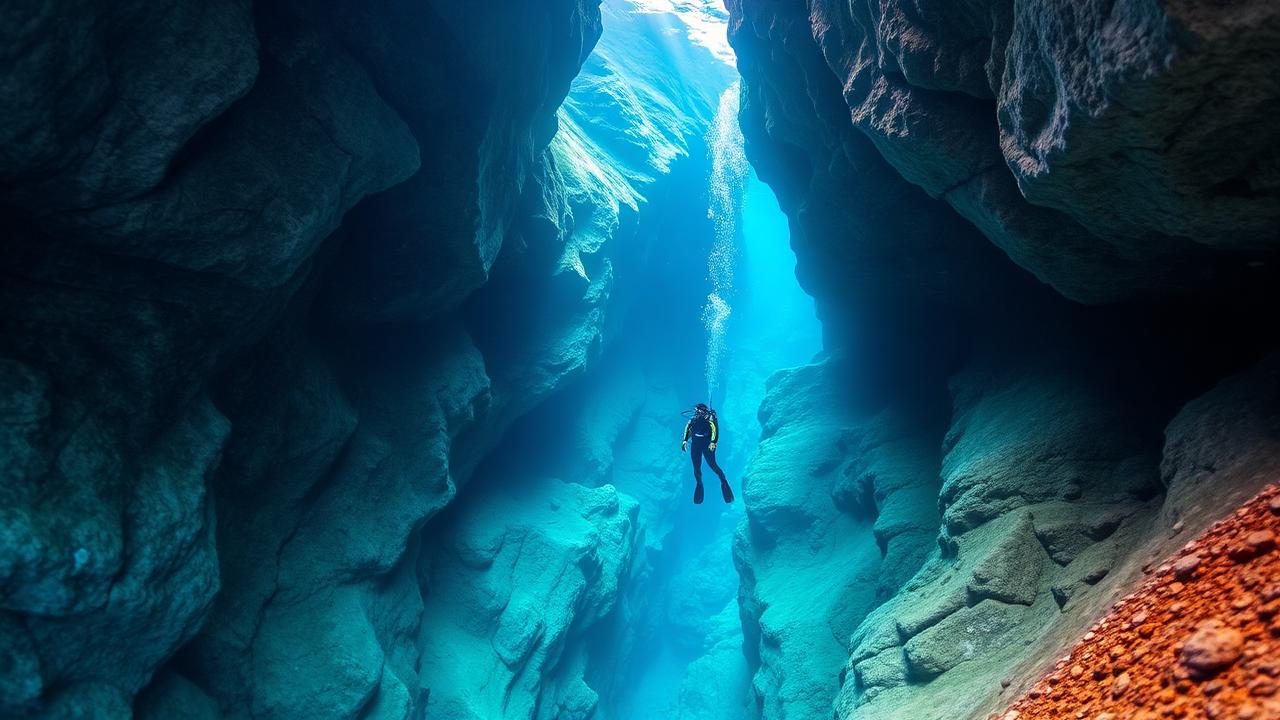
Comment commencer
01
Try a discovery dive
A guided shallow dive with an instructor, no certification needed. It answers the only question that matters at the start: how does your body feel breathing under water?
02
Take an open water course
Theory, confined water and four open-water dives with a recognised agency. This is the certification that lets you rent equipment and dive worldwide.
03
Build real hours
Twenty unhurried local dives teach more than one exotic trip. Buoyancy, gas consumption and calm are built by repetition, not by depth.
04
Add the presence layer
MD-1 Mindful Diver™ sits on top of your agency certification: an attention practice for before, below, between and beyond the dive.
Le coût et la durée
Prévoyez trois à quatre jours et, en Europe, environ 350–550 euros pour une première certification, supports pédagogiques, location du matériel et frais de certification compris. Ajoutez un questionnaire médical, ainsi que l’accord d’un médecin si l’une des réponses est oui. Ensuite, une plongée guidée coûte généralement 40–70 euros, moins si vous possédez votre équipement.
La sécurité passe avant tout, toujours
Chaque pratique que nous enseignons s’inscrit entièrement dans les standards de votre organisme et votre plan de plongée. Une respiration lente et continue uniquement — jamais d’apnée, de pauses respiratoires ni d’hypoventilation en plongée avec scaphandre — et aucune pratique pendant les phases critiques telles que les descentes, les remontées et la gestion du gaz. La sécurité est la première pratique de pleine conscience.
Où plonger
L’Atlas de la présence cartographie 42 zones de plongée parmi les plus riches d’enseignements au monde. Il présente les meilleures saisons, les conditions et ce que chacune demande au plongeur.
Ouvrir le guide de la destinationLa place de Mindful Diving
Mindful Diving™ est complémentaire et indépendant de SSI, PADI, CMAS et RAID. Vous continuez à plonger avec la certification de votre organisme ; MD-1 y ajoute une pratique de l’attention certifiée et mesurée — et ne constitue jamais une thérapie ni un traitement médical.
Questions fréquentes
- How do I start scuba diving?
- Start with an entry-level certification — an open water course from a recognised agency such as PADI, SSI, CMAS or RAID. It usually runs over three to four days and combines theory, confined-water sessions and four open-water dives. You need to be comfortable in water and to complete a medical statement; some answers require a doctor's sign-off.
- What does a first diving course cost?
- Prices vary by country and season. In Europe an open water course commonly falls somewhere around 350–550 euros including materials, rental equipment and certification fees; warm-water destinations in Asia and Central America are often cheaper. Ask what is included before comparing prices — certification fees and equipment rental are the usual omissions.
- How old do you have to be to scuba dive?
- Most agencies certify from 10 years old with depth restrictions, and issue full adult certifications from 15. There is no upper age limit; fitness and a clear medical statement matter more than age.
- Is scuba diving safe?
- Recreational diving inside agency limits has a strong safety record, and almost all serious incidents involve exceeding training, depth or gas limits, or diving with an unmanaged medical condition. Dive within your certification, with a briefed buddy, on a plan you both agreed on land.
- Where does Mindful Diving fit in?
- Mindful Diving™ is complementary to the diving agencies and never replaces them. Once you hold an agency certification, MD-1 Mindful Diver™ adds a trained, measured practice of attention inside the dive plan you already follow.
La mer est notre premier guide.