Il metodo
Non insegniamo meditazione sott’acqua. Alleniamo la presenza attraverso l’immersione.
Mindful Diving™ non è una pratica separata da aggiungere a un piano d’immersione. È un modo di seguire il piano che già conosci, con più attenzione: prima di entrare in acqua, in profondità, tra un’immersione e l’altra e oltre l’acqua.
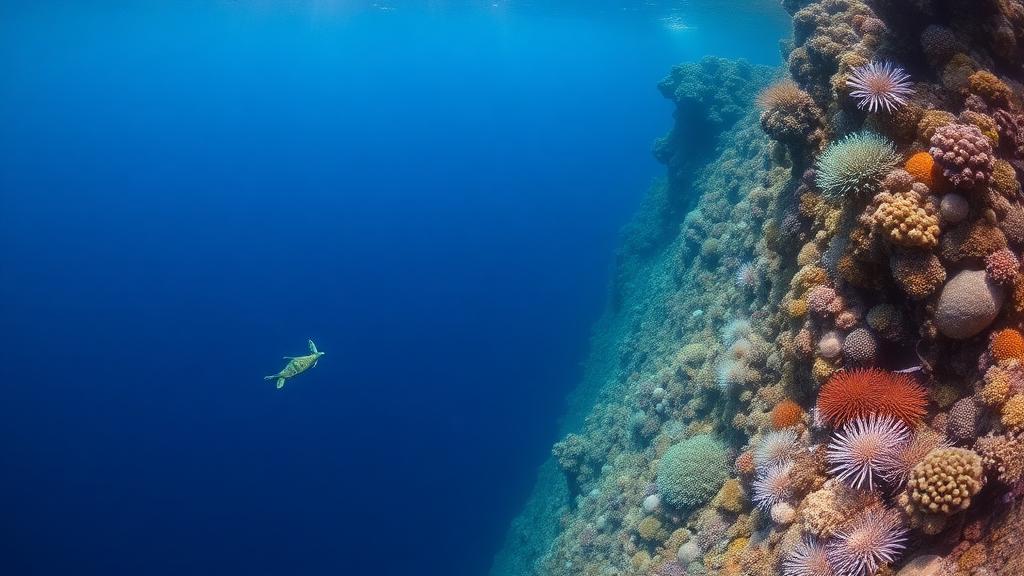
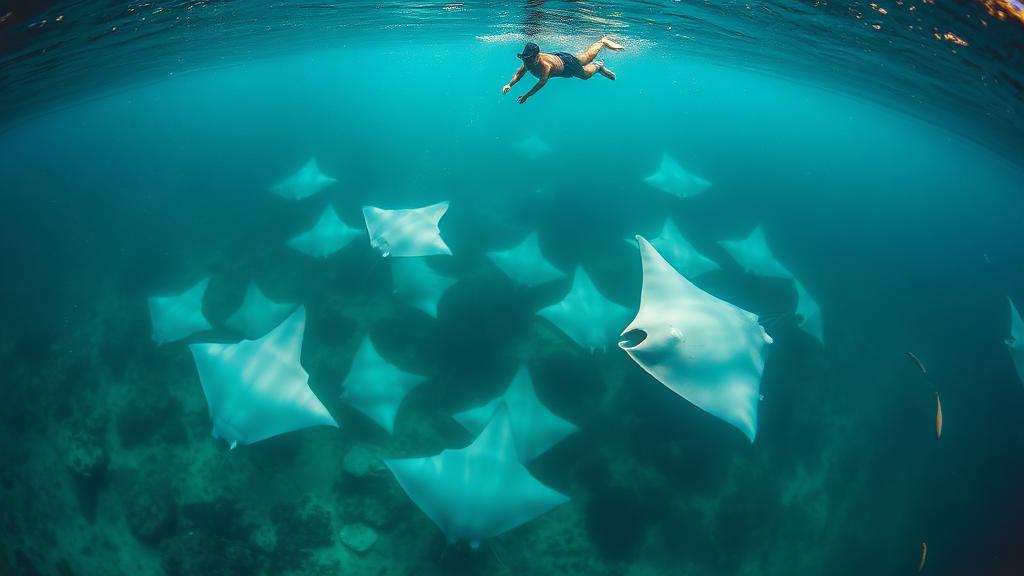
La galleria dell’acqua
Il percorso della pratica
Sette pratiche, un unico percorso
Before
- Conscious breathing
Slow, continuous breathing anchors attention before entry and stays steady throughout the dive.
- Conscious communication
Clear, calm signals and honest briefings and debriefs build trust within the buddy team.
- Intention setting
A short, honest intention set on the boat carries into how the diver moves, watches and returns.
Below
- Conscious breathing
Slow, continuous breathing anchors attention before entry and stays steady throughout the dive.
- Mindful buoyancy
Buoyancy control becomes a moving meditation — small, attentive adjustments instead of reactive ones.
- Non-judgmental observation
Watching the reef, the buddy team and the mind's own reactions without labelling them good or bad.
Between
- Conscious communication
Clear, calm signals and honest briefings and debriefs build trust within the buddy team.
- Emotional integration
The surface interval is used to name and process what came up below, before the next descent.
Beyond
- Ocean connection
A felt sense of belonging to the reef translates into low-impact behaviour that lasts beyond the dive.
- Intention setting
A short, honest intention set on the boat carries into how the diver moves, watches and returns.
Il protocollo aperto
Quattro passi che chiunque può integrare in un'immersione già conforme al piano previsto dalla propria didattica di riferimento.
- 01
Dedica l'immersione
- 02
Tre espirazioni lunghe durante la discesa
- 03
Un minuto di quiete
- 04
Gratitudine durante la sosta di sicurezza
Non negoziabile
La sicurezza prima di tutto
- 01Every practice fits entirely within the diver's existing agency standards and dive plan.
- 02Slow, continuous breathing only. Never breath-holding, skip-breathing or hypoventilation on scuba.
- 03No mindfulness exercises during task-critical phases — descents, ascents, gas management. Safety is the first mindfulness practice.
- 04Reviewed by the Safety & Dive Medicine Board. Mindful Diving™ is never presented as therapy or medical treatment.
La scienza
Fondato sulla ricerca, vissuto con leggerezza
La ricerca suggerisce che la respirazione diaframmatica lenta, a circa 4–6 respiri al minuto, sia associata a una maggiore attivazione parasimpatica: la risposta di riposo e recupero del corpo.
Allenare un’attenzione sostenuta e non giudicante è uno dei meccanismi più studiati nelle scienze contemplative. È associato a una minore reattività e a una concentrazione più stabile nel tempo.
Un numero crescente di studi sugli spazi blu e sul recupero a contatto con la natura suggerisce che trascorrere tempo in acque libere e nelle loro vicinanze sia associato a miglioramenti misurabili dell’umore e del benessere percepito.
Il lavoro sul respiro è ora una specialità:Mindful Breath™.
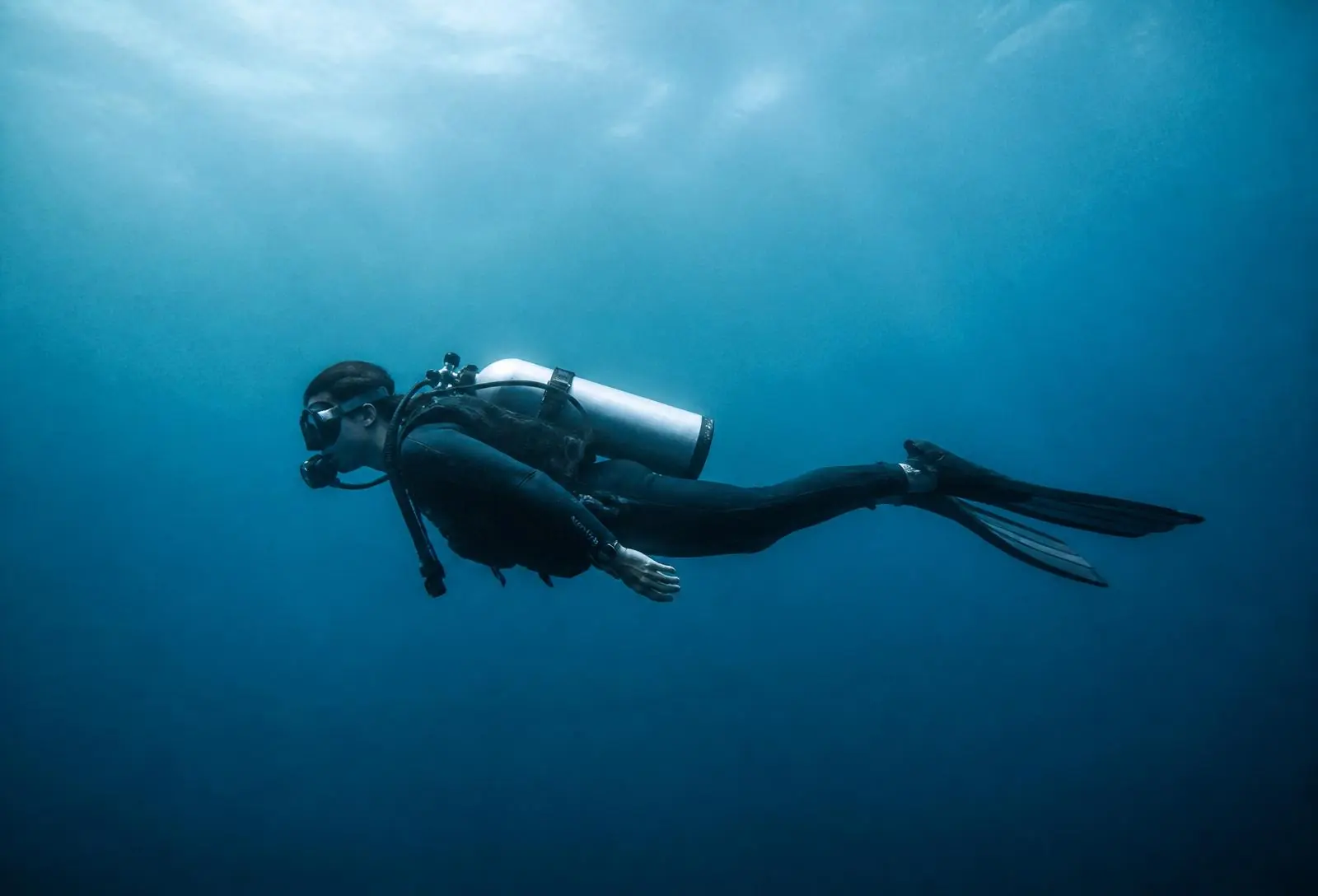
Complementari, mai in competizione
Non è una nuova agenzia didattica. È una dimensione di cura in più.
Mindful Diving™ opera entro i limiti del brevetto che già possiedi, con la tua didattica — SSI, PADI, CMAS, RAID o qualsiasi altra. Non sostituisce mai la formazione subacquea; approfondisce ciò che già avviene sott'acqua.
“Vivere sopra come si vive sotto” — questo passaggio si insegna nell’ultimo capitolo di MD-1, Il ritorno in superficie. Scopri MD-1 →
Before. Below. Between. Beyond.