The method
We don't teach meditation underwater. We train presence through diving.
Mindful Diving™ is not a separate practice bolted onto a dive plan. It is a way of running the dive plan you already know — with more attention, before, below, between and beyond the water.
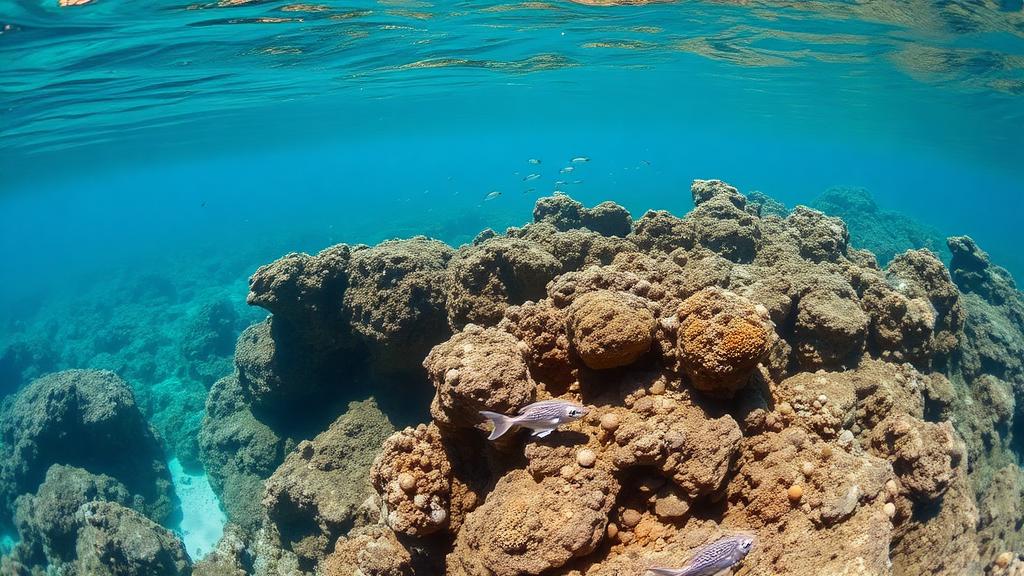
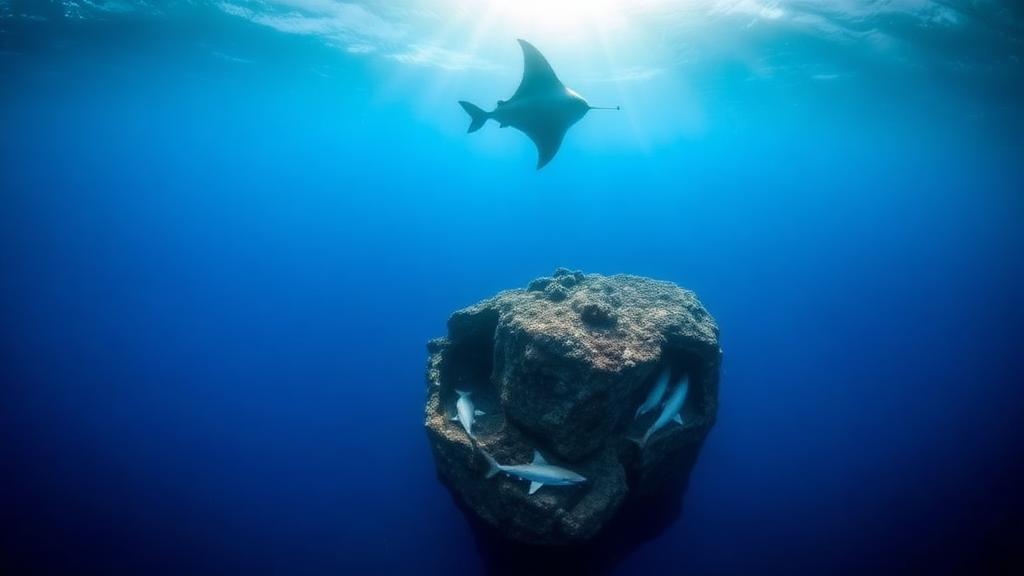
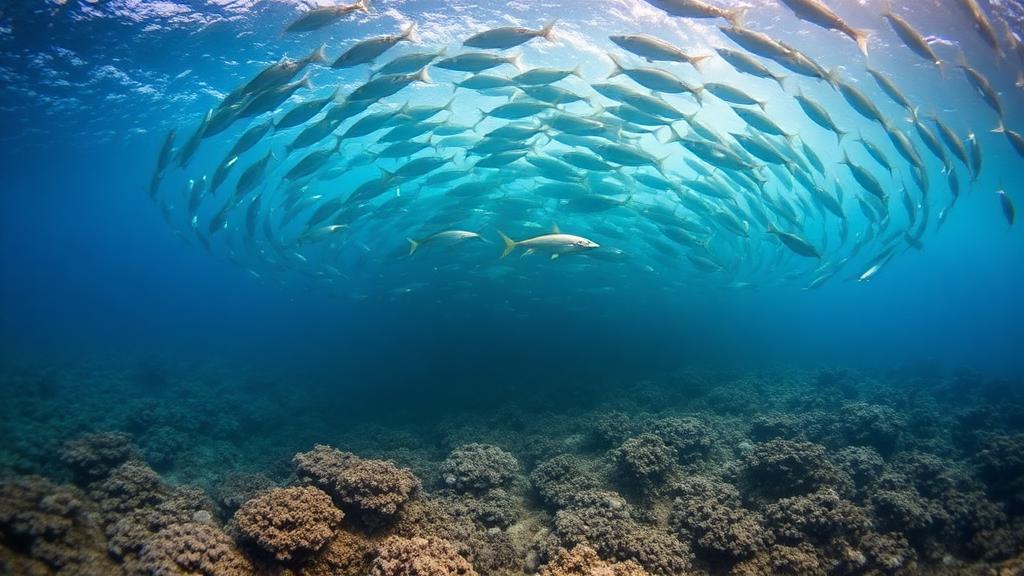
The Water Gallery

The practice arc
Seven practices, one arc
Before
- Conscious breathing
Notice your breathing without imposing a rhythm. In the water, keep breathing naturally and continuously as trained, with attention available for diving tasks.
- Conscious communication
Clear, calm signals and honest briefings and debriefs build trust within the buddy team.
- Intention setting
A short, honest intention set on the boat carries into how the diver moves, watches and returns.
Below
- Conscious breathing
Notice your breathing without imposing a rhythm. In the water, keep breathing naturally and continuously as trained, with attention available for diving tasks.
- Mindful buoyancy
Buoyancy control becomes a moving meditation — small, attentive adjustments instead of reactive ones.
- Non-judgmental observation
Watching the reef, the buddy team and the mind's own reactions without labelling them good or bad.
Between
- Conscious communication
Clear, calm signals and honest briefings and debriefs build trust within the buddy team.
- Emotional integration
The surface interval is used to name and process what came up below, before the next descent.
Beyond
- Ocean connection
A felt sense of belonging to the reef translates into low-impact behaviour that lasts beyond the dive.
- Intention setting
A short, honest intention set on the boat carries into how the diver moves, watches and returns.
The open protocol
Four steps anyone can carry into a dive that already fits their agency plan.
- 01
Set an intention on the surface, before descent
- 02
Notice ordinary breathing once stable, if the plan allows
- 03
Keep quiet observation optional; stay aware of the dive
- 04
Share gratitude after the dive
Non-negotiable
Safety first
- 01Every practice fits entirely within the diver's existing agency standards and dive plan.
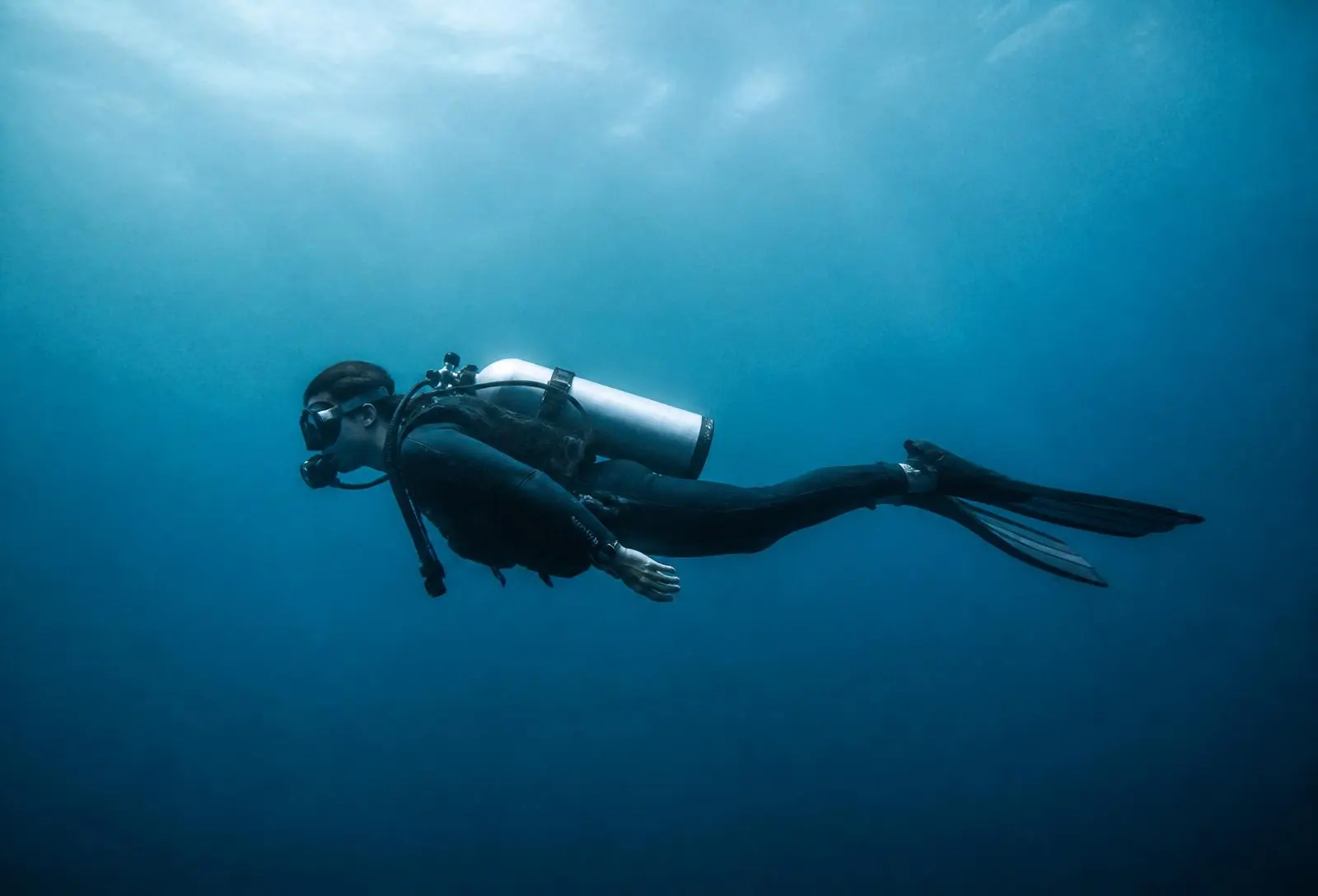
- 02On scuba, breathe naturally and continuously as trained; never hold, skip or deliberately restrict your breathing. Keep attention on your buddy, buoyancy, gas and surroundings. Leave optional exercises out of descents, ascents and any demanding task.
- 03No mindfulness exercises during task-critical phases — descents, ascents, gas management. Safety is the first mindfulness practice.
- 04Reviewed by the Safety & Dive Medicine Board. Mindful Diving™ is never presented as therapy or medical treatment.
The science
Grounded in research, worn lightly
Research on slow breathing in land-based settings does not establish a breathing rate for scuba. Keep land exercises separate from underwater practice; comfort, ventilation and the demands of the dive come first.
Sustained, non-judgmental attention training is one of the most studied mechanisms in contemplative science, linked to lower reactivity and steadier focus over time.
A growing body of blue-space and nature-restoration research suggests that time in and near open water is associated with measurable gains in mood and perceived wellbeing.
The breath layer is now a specialty: Mindful Breath™.
Complementary, never competing
This is not a new agency. It is a layer of care.
Mindful Diving™ works inside your existing certification, with your existing agency — SSI, PADI, CMAS, RAID or any other. It never replaces dive training; it deepens what already happens underwater.
“Living above as you live below” — the transfer is taught in MD-1’s final chapter, The Surfacing. See MD-1 →
Before. Below. Between. Beyond.