Research
The science of Ocean Wellbeing.
Mindful Diving™ is built to be studied, not only believed in. Every claim about its effect on people is treated as a hypothesis until the data says otherwise.
Fifty years ago nobody said forest bathing, and nobody said blue health. Today both are recognised research fields, with controlled trials showing measurable effects of time in green and blue space on stress, mood and recovery. Ocean wellbeing stands on that wave of research — and takes on the same obligation: to measure its own effects, publish them, and revise the method when the numbers disagree with us.
That arc now has a further step. A 2026 Personal View in The Lancet Planetary Health proposes e-co-flourishing — ecological-collective-flourishing — pursuing one's own human flourishing together with the flourishing of the ecosystems one belongs to, and sets out a translational framework of outcomes, mechanisms, moderators and intervention characteristics. Mindful Diving is designed as exactly that kind of intervention — and we measure it as one.
Research framework
The Institute's studies follow a programme-theory structure: what changes, through which pathways, for whom, and under what dose.
Outcomes
Fundamental Peace via FP20 · nature-connectedness · stewardship behaviour
Mechanisms
Attention training, awe, breath, buddy psychological safety
Moderators
Experience level, site, center culture
Intervention
MD-1 → MD-3 dose and water sessions
Framework aligned with e-co-flourishing programme theory, The Lancet Planetary Health (2026)
The Water Gallery
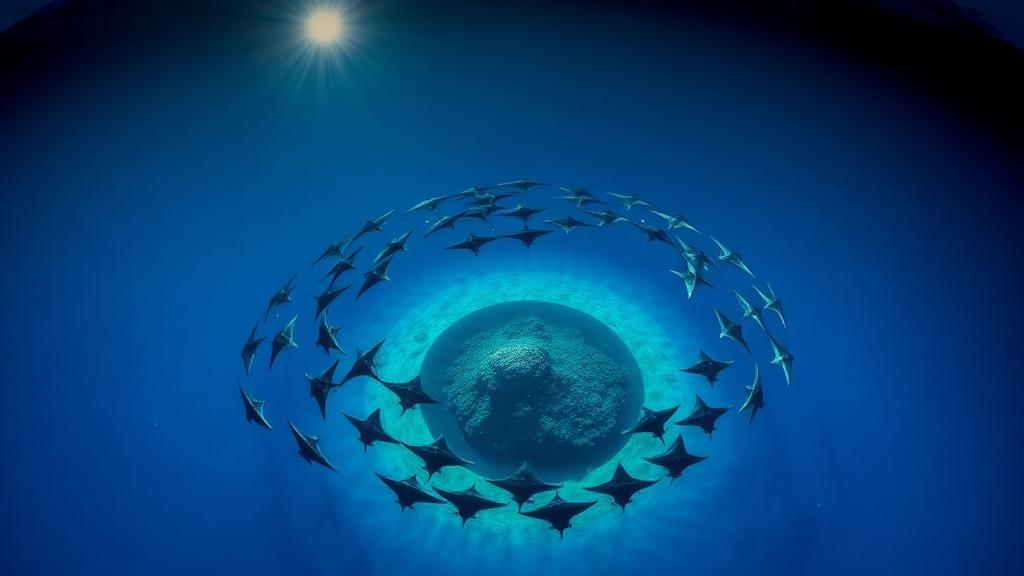
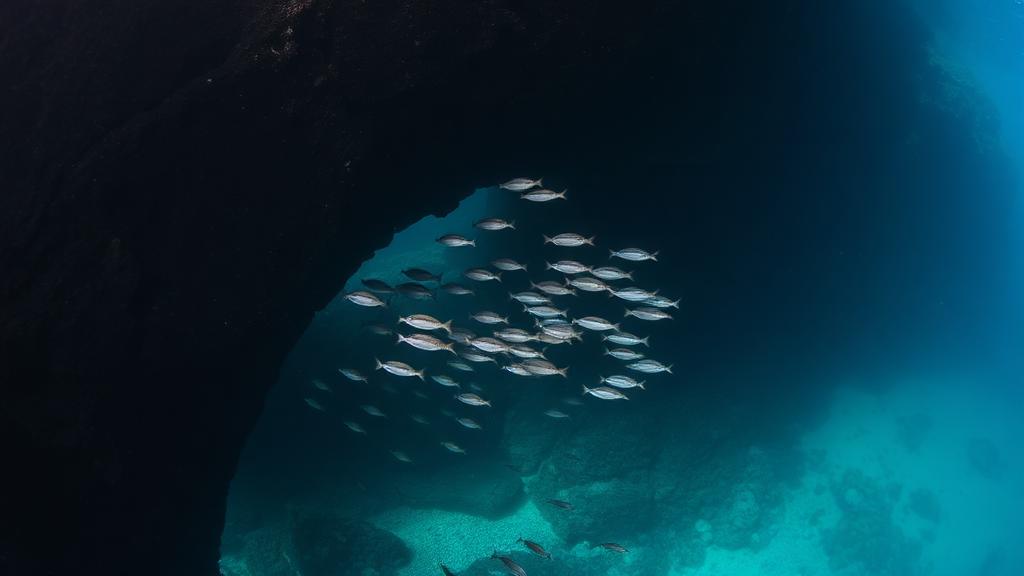
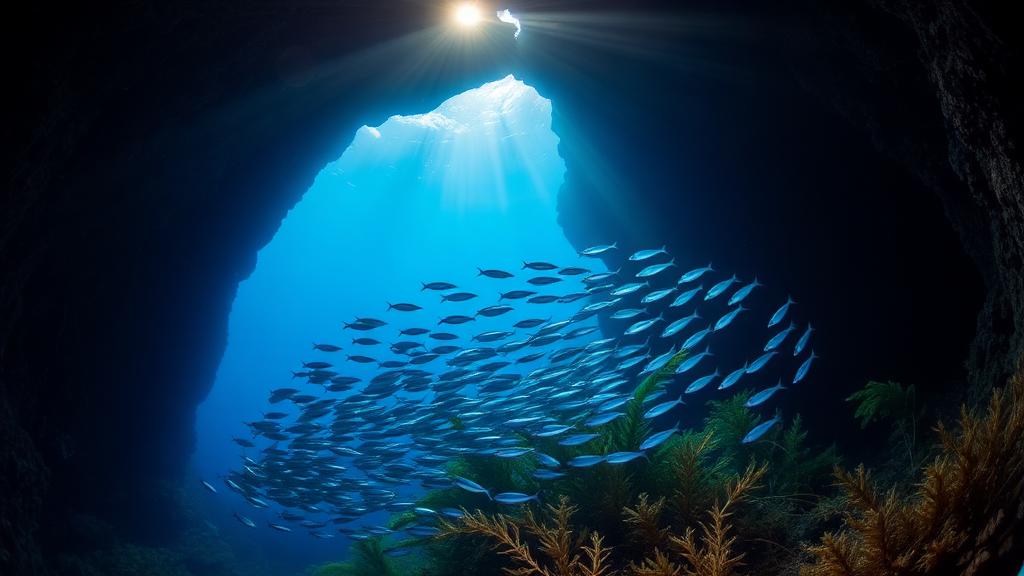
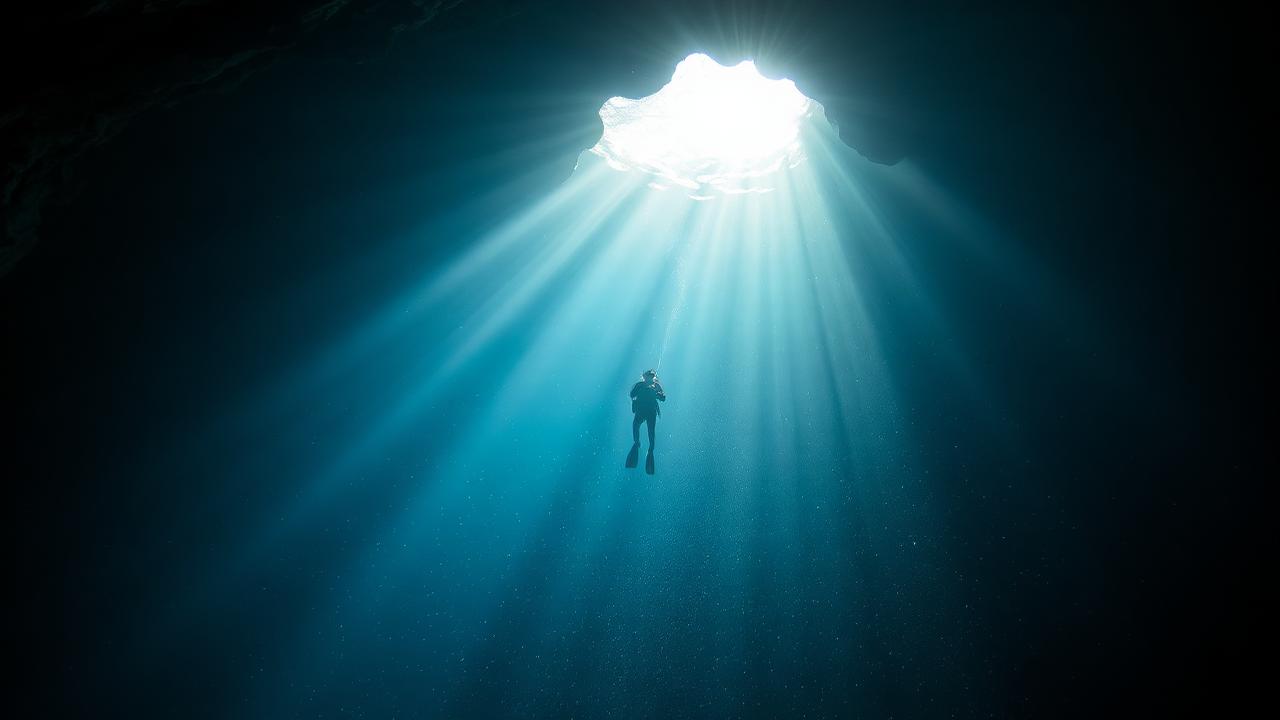
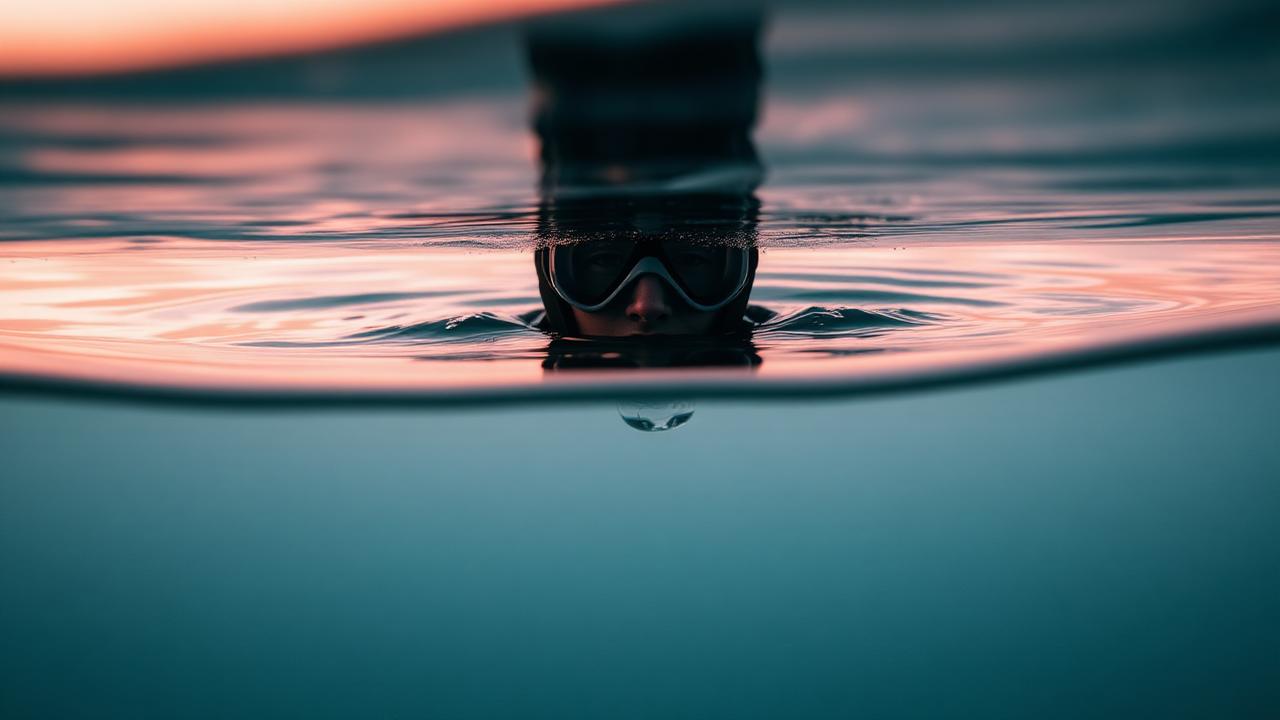
The movement, measured
Divers rate attention, perceived stress and connection when they begin, and again once they are certified. Nothing is inferred. These are the paired shifts, anonymized, published only once enough divers have completed both.
The pulse is still filling. Aggregate results publish here once at least 25 divers have completed both measures.
Measured, not assumed. Self-report on a 0–10 scale, pre-enrollment and post-certification. Not a clinical outcome.
The research programme
Participants are invited — always with consent, always anonymised — to complete validated instruments before and after a programme: wellbeing, perceived stress, state anxiety, sleep quality and nature connectedness, alongside the FP20 Fundamental Peace scale. Findings are reviewed by an independent ethics process and, research suggests, published annually so the method keeps answering to evidence rather than intuition.
What is measured
- Wellbeing
- Perceived stress
- State anxiety
- Sleep quality
- Nature connectedness
- FP20 Fundamental Peace scale
Academic collaboration
The programme is developed with the Chair in Contemplative Sciences at the University of Zaragoza, anchoring Mindful Diving™ in an active academic research line rather than a marketing claim.

Academic home
The research programme runs in collaboration with the Cátedra de Ciencias Contemplativas at Universidad de Zaragoza — the academic chair in contemplative sciences at the Faculty of Medicine, directed by Prof. Javier García Campayo.
Visit the CátedraThe model
Fundamental Peace describes four trainable capacities. Diving trains each of them in the water, not in theory.
- 01
Flexible attentional control
Buoyancy and navigation make attention visible: the moment it wanders, the body drifts.
- 02
Emotional coherence across self-states
Staying soft and precise under task load at depth, rather than tightening against it.
- 03
Reduced self-referential rigidity
Weightlessness and awe give attention real work to do, starving rumination of fuel.
- 04
Compassionate self-awareness
Care for the buddy, the reef and one's own pace becomes reflex rather than rule.
Each capacity is measured pre and post with the FP20 Fundamental Peace scale alongside other validated instruments.
Where the model first meets the water
Dive Into Presence, the World Happiness Academy's open program, is where this model is first practised — no prerequisites, no credential required.
Explore Dive Into Presence →The SDG 3 × SDG 14 bridge
The working hypothesis is simple: a calmer, more present diver is a diver more likely to protect what they've just seen. Research suggests that felt ocean connection can be a bridge between Good Health & Wellbeing (SDG 3) and Life Below Water (SDG 14) — human wellbeing and conservation behaviour reinforcing one another rather than competing.
Participate
For centers: join the measurement network
Talk to usFor researchers: partner with the Institute
Propose a collaborationSee the research registry — every study, registered before it reports →
The benefits of scuba diving — what is measured, not assumed →
Evidence, gathered patiently.