Evidence & impact
The benefits of scuba diving: what is measured, not assumed
The whole industry says diving makes you feel better. Almost nobody checks. Mindful Diving™ exists, in part, to separate what we know from what we merely repeat.
Four common claims, examined
«Diving calms me down.»
FP20 records self-reported experience across four areas of Fundamental Peace. It does not measure brain activity. Changes in scores invite reflection and further study; they do not by themselves establish a treatment effect or diving fitness.
«I focus better underwater.»
Diving can feel absorbing, but it also adds demands on attention. Keep checking gas, depth, buoyancy, your buddy and the environment. Feeling calm does not by itself show that a diver is safe or ready.
«Diving makes me care about the ocean.»
Pillar 4, Ocean Connection: we protect what we have truly met. Tracked through center impact ledgers rather than sentiment.
«Diving cures anxiety.»
Keep every practice within your training, agency standards and dive plan. Emergency procedures take priority. Anyone may decline a practice or end a dive. This is education, not therapy, medical clearance or agency endorsement.
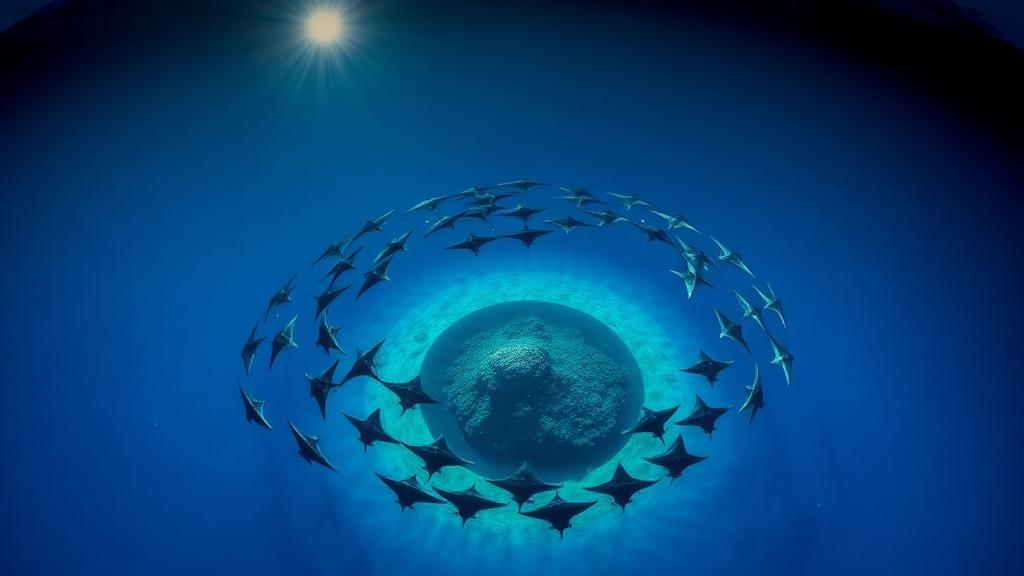
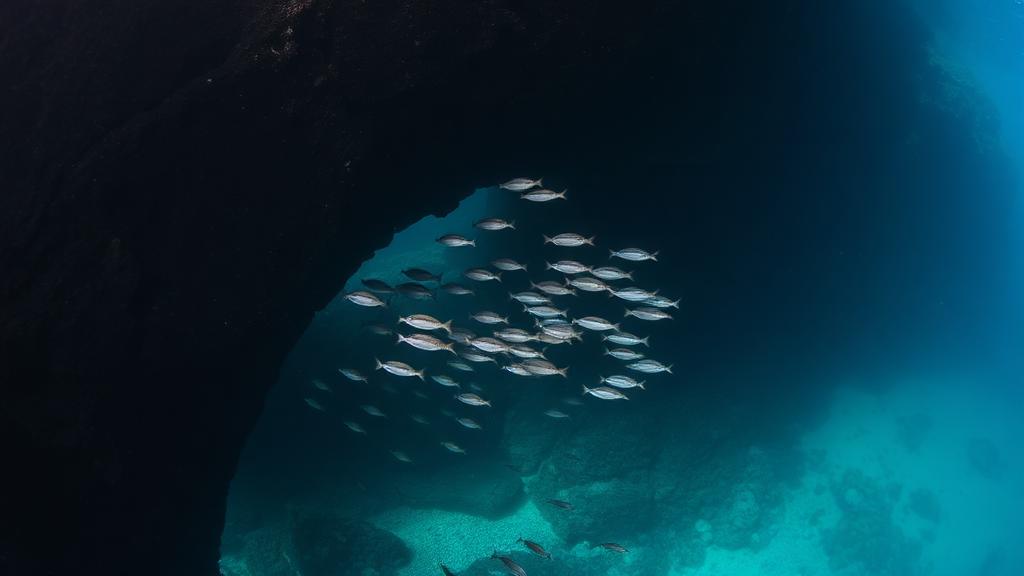
The Water Gallery




Why the practice arc matters
A benefit that is not trained evaporates. The standard structures all four phases of a dive, not only the one at depth.
- 01
Before — intention & grounding
The dive begins on the boat. A minute of settling turns a checklist into a decision to be here.
- 02
Below — presence in the water
On scuba, breathe naturally and continuously as trained; never hold, skip or deliberately restrict your breathing. Keep attention on your buddy, buoyancy, gas and surroundings. Leave optional exercises out of descents, ascents and any demanding task.
- 03
Between — the surface interval
Reflection and integration. The most wasted twenty minutes in diving, and the most valuable.
- 04
Beyond — transfer to daily life
Where a benefit becomes a change. Without this phase, the calm ends at the car park.
Measured, not assumed
The FP20 Fundamental Peace scale is taken before and after a practice period; sessions are logged and verified; research runs with the Chair in Contemplative Sciences, University of Zaragoza. We publish what we find, including what we do not find.
Frequently asked
- Is scuba diving good for mental health?
- Some divers describe calm, enjoyment or connection after a dive. Experiences vary, and diving can also be demanding or distressing. A wellbeing report is worth listening to; it is not proof of a treatment effect or a guarantee of safety.
- What is actually happening underwater that changes how you feel?
- Diving can feel absorbing, but it also adds demands on attention. Keep checking gas, depth, buoyancy, your buddy and the environment. Feeling calm does not by itself show that a diver is safe or ready.
- How do you measure the benefits of a dive?
- Use wellbeing questionnaires with informed consent and appropriate privacy. FP20 is a reflection tool: its score is not a diagnosis, medical clearance or proof that a programme works. Consult the research registry for study methods, validation evidence and results.
- Is scuba diving good exercise?
- It is moderate, low-impact activity with real cardiovascular and postural demands, plus the load of carrying equipment on the surface. It is not a substitute for a training programme, and fitness for diving is a medical question for your physician and your agency, not for us.
- Do the effects last after the dive?
- That is exactly the question the standard exists to answer. The fourth phase of the practice arc — Beyond — is designed for transfer to daily life, and it is the part most divers never train. Effects that are not practised on land tend not to survive the drive home.
A practical starting point
For your next dive: name one concern.
Before kitting up, tell your instructor or buddy what feels uncertain. Ask: “What can we change in the plan?” Agree a signal and a pause or exit option. Naming a concrete concern helps the team respond to the actual need, without requiring you to appear calm or disclose personal history.
Explore The Diving MindMindful Diving Institute
Three books. Three ways to deepen your practice.
Mindful Diving develops attention and the wider practice through MD-1 to MD-5. Mindful Breath explores breathing awareness. The Diving Mind explores fear, doubt and decisions. The specialties are optional and purchased separately; none replaces agency training or rescue skills.
Explore the three booksMeasured, not assumed.