For diving professionals
How to become a dive instructor — and still be one in ten years
The professional pathway is well documented by the agencies. What almost nobody teaches is how to sustain attention, energy and judgement season after season. That is what Mindful Diving™ adds.
The five real stages
Exact prerequisites and numbers are set by your agency — PADI, SSI, CMAS, RAID, BSAC. This is the shape of the path.
- 01
Certified diver
Open water, then advanced. Dive often and in varied conditions. Nothing substitutes for hours in the water.
- 02
Rescue diver
The first course that shifts your attention outward — from your own dive to everyone else's. Plus first aid and CPR provider status.
- 03
Divemaster / dive leader
Your first professional rating. You guide, you assist courses, you carry responsibility. Most people discover here whether they want the job.
- 04
Instructor course & exam
Intensive training in teaching standards, presentations, skill demonstration and risk management, followed by an agency examination.
- 05
The first two seasons
Where the craft is actually learned — and where most instructors quietly burn out. This is the stage the industry leaves unstructured.
The Water Gallery
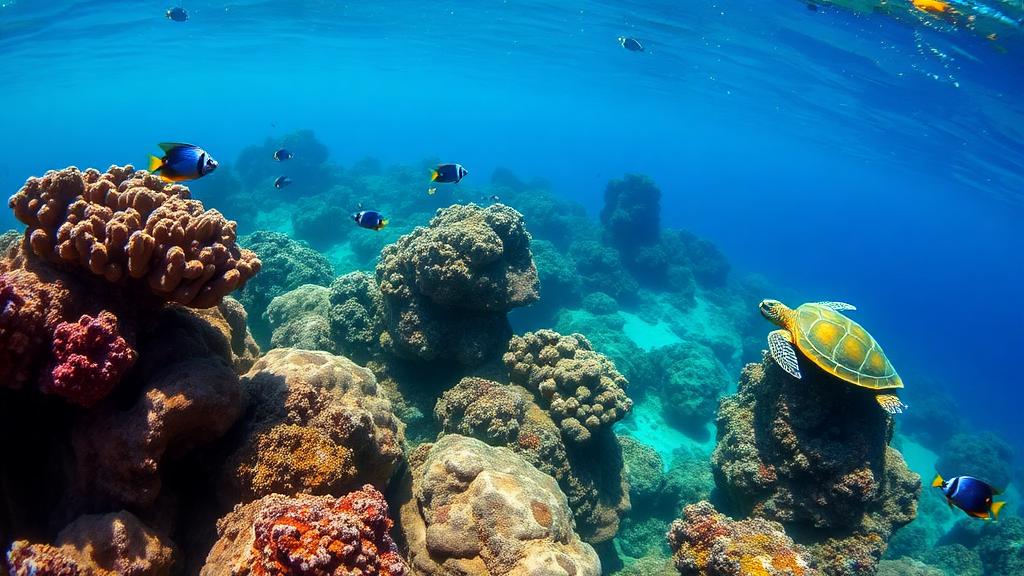
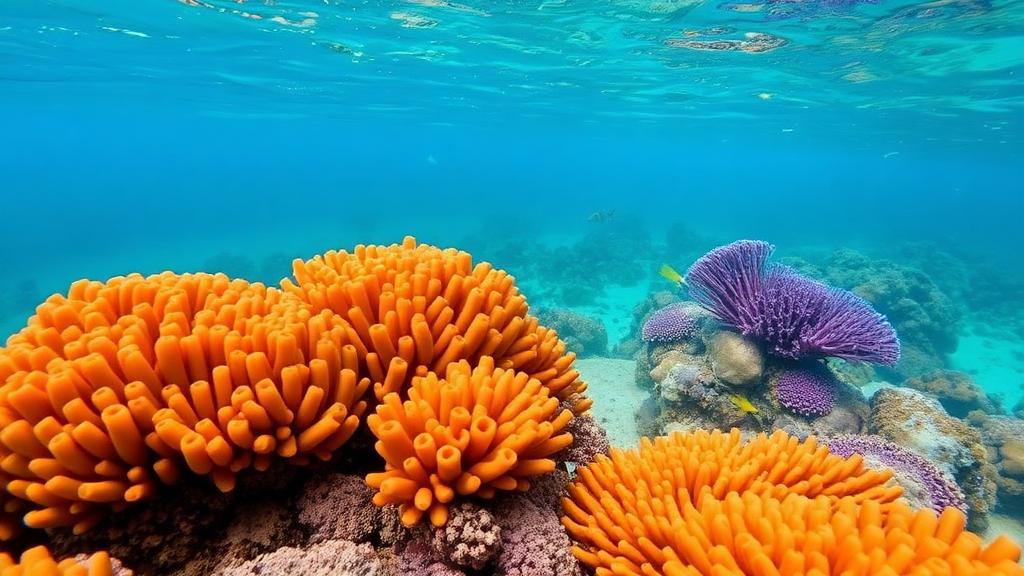
The part nobody teaches
Pillar 3 of the standard: Instructor Wellbeing. Not an extra — the condition for teaching well over years.
Attention is a finite resource
Teaching five students in surge is sustained vigilance, not relaxation. Treat attention like gas: plan it, monitor it, reserve some.
The surface interval is training
Between dives, instructors debrief students and skip their own recovery. A structured two-minute reset changes the shape of a season.
Measured, not assumed
Use wellbeing questionnaires with informed consent and appropriate privacy. FP20 is a reflection tool: its score is not a diagnosis, medical clearance or proof that a programme works. Consult the research registry for study methods, validation evidence and results.
Safety is the first practice
On scuba, breathe naturally and continuously as trained; never hold, skip or deliberately restrict your breathing. Keep attention on your buddy, buoyancy, gas and surroundings. Leave optional exercises out of descents, ascents and any demanding task.
Where MD-4 fits
MD-4 Mindful Dive Instructor™ (Instructor de Buceo Consciente™) does not replace your instructor rating: it adds to it. It certifies that you can lead the practice arc — Before, Below, Between, Beyond — entirely inside your agency's dive plan, and that you tend your own wellbeing as seriously as your students'.
Frequently asked
- How long does it take to become a dive instructor?
- From an entry-level open water certification, most people reach instructor level in nine to eighteen months. The gating factor is rarely the courses — it is logged dives and real supervision hours. Agencies typically require around 100 logged dives before an instructor course, and considerably more before you are genuinely comfortable teaching.
- What are the prerequisites for an instructor course?
- Broadly: an advanced certification, a rescue certification, current first aid and CPR provider status, a divemaster or dive leader rating, a medical clearance, and a minimum number of logged dives. Exact numbers vary by agency — PADI, SSI, CMAS, RAID and BSAC each set their own. Your agency is the authority here.
- Do I need Mindful Diving to become a dive instructor?
- No. Mindful Diving™ is complementary to, and independent of, the diving agencies. You become an instructor through your agency. MD-4 Mindful Dive Instructor™ (Instructor de Buceo Consciente™) is a separate, additional credential that certifies how you hold attention, teach presence and look after your own wellbeing while doing it.
- Why do so many dive instructors burn out?
- The work compresses long seasons, low pay, repetitive teaching, constant responsibility for other people's safety, and very little recovery time. Instructor Wellbeing is the third of the Seven Pillars of the Mindful Diving standard precisely because the industry has treated it as a personal problem rather than a professional one.
- Can I earn a living as a dive instructor?
- Yes, though rarely on teaching alone in the first years. Instructors who last tend to build a mix: teaching, guiding, center roles, speciality courses, retreats and off-season work. Adding a differentiated credential and a wellbeing practice makes you harder to replace and easier to rebook.
A practical starting point
Coach the decision, not the performance of calm.
A student says “I'm fine” while rushing equipment checks. Describe what you see, then ask privately: “What would help us prepare?” Listen, check understanding and offer time or a simpler plan within your standards. Debrief observable events afterward. Coaching supports choice and learning; it does not diagnose trauma or replace skills instruction.
A restoration-team example
A volunteer says, “I’m just getting through the tasks.” Ask what has become demanding and what support would help. Review workload with the project lead before the next dive. Underwater, keep attention on the task, buddy and dive plan. Make room for appreciation and reflection once safely ashore; never make calmness a test of commitment.
Explore a community day
Lead the way you would like to be led.