Scuba diving
첫 호흡에서 평생의 수련으로 이어지는 스쿠버 다이빙.
Diving is not an extreme sport. It is a slow, technical, deeply calming way of being in the water — with a safety culture that has been refined for seventy years. This page is the honest version: how to start, what it costs, what it asks of you, and where presence comes in.
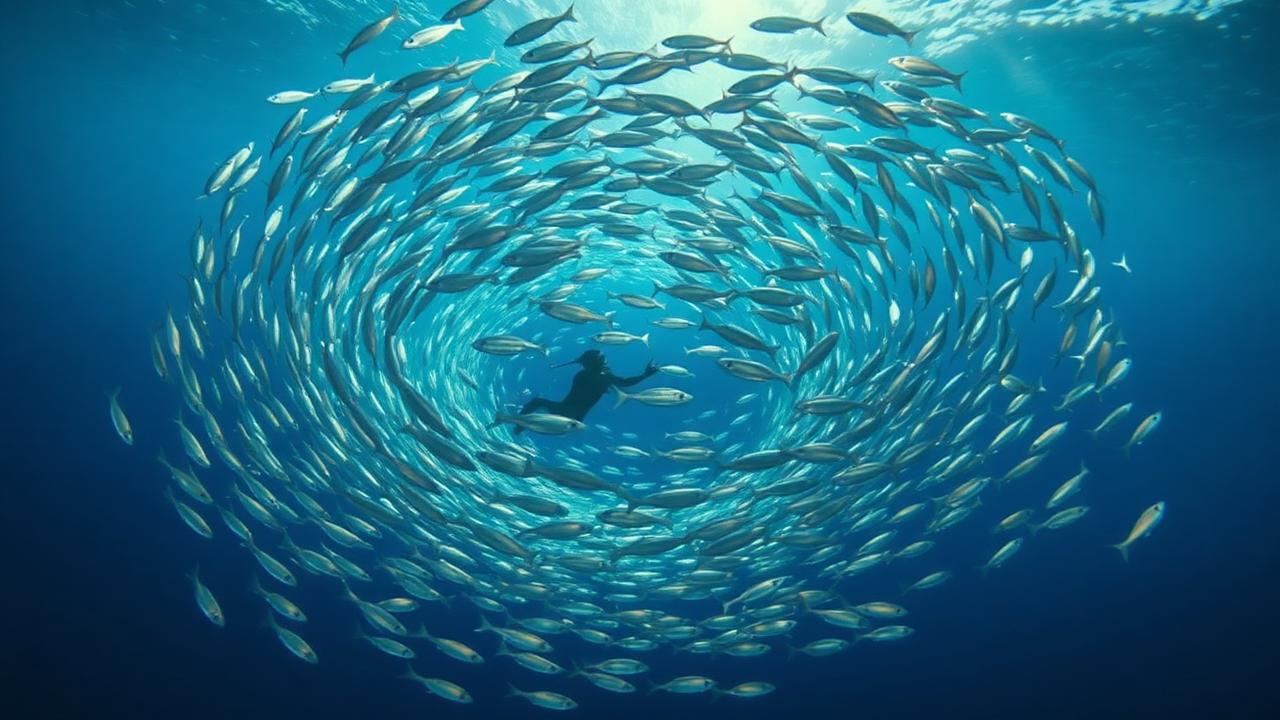
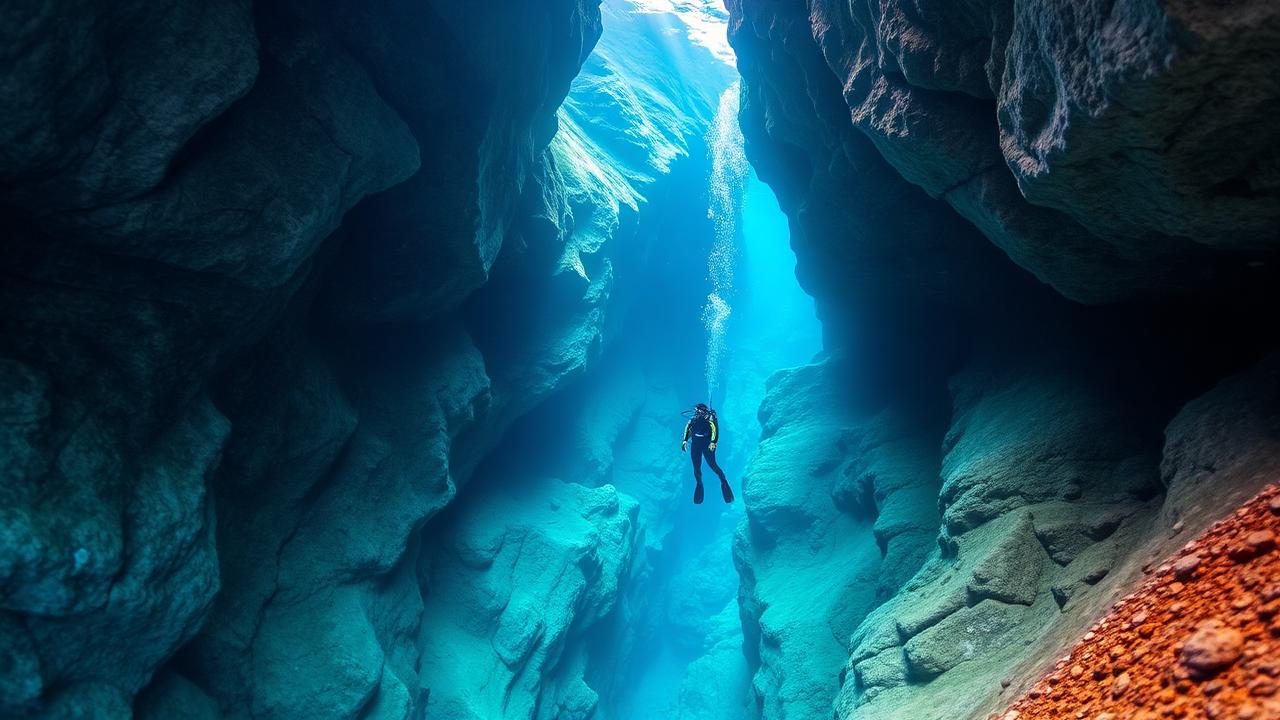
물의 갤러리
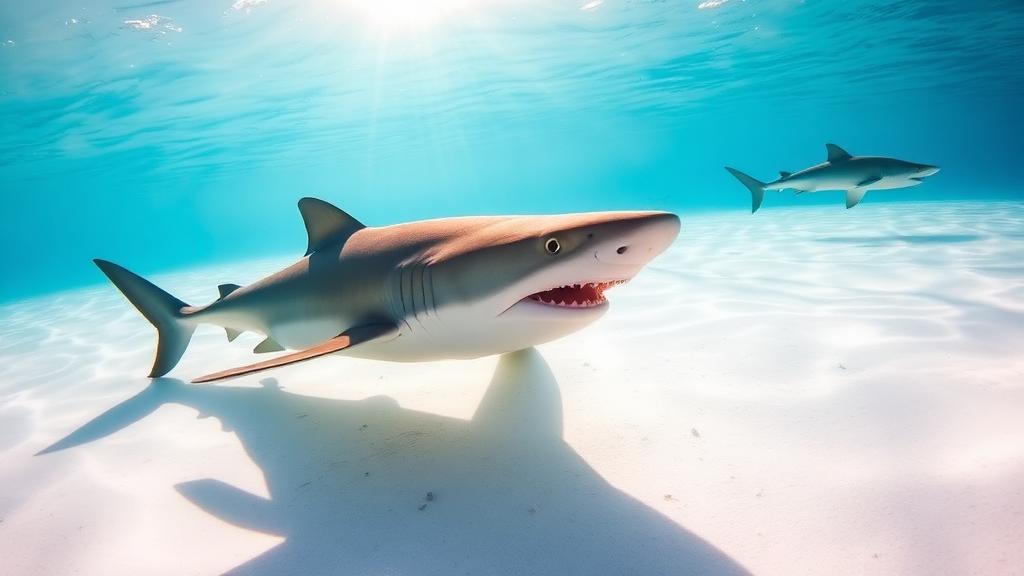
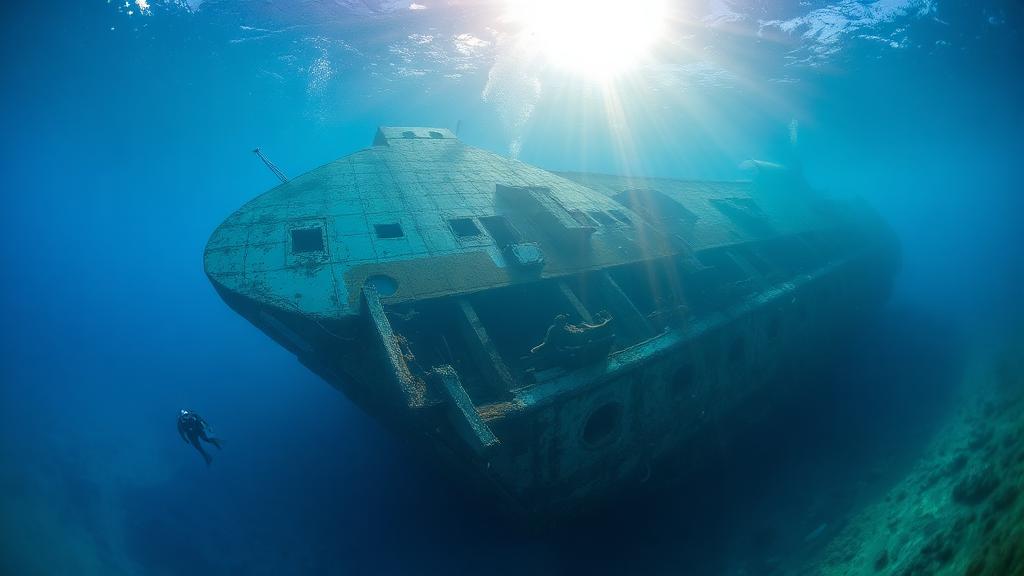
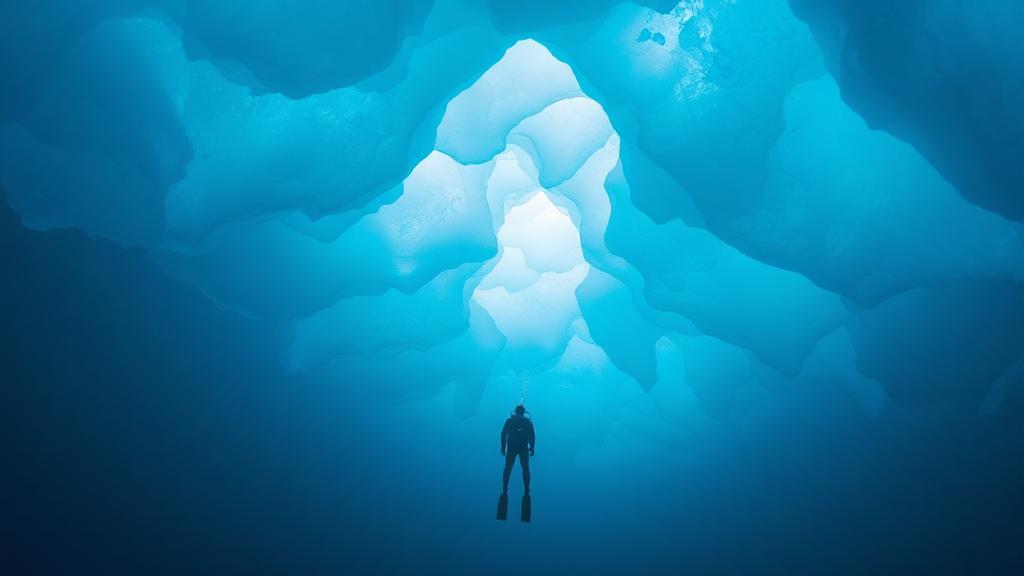
How to start
01
Try a discovery dive
A guided shallow dive with an instructor, no certification needed. It answers the only question that matters at the start: how does your body feel breathing under water?
02
Take an open water course
Theory, confined water and four open-water dives with a recognised agency. This is the certification that lets you rent equipment and dive worldwide.
03
Build real hours
Twenty unhurried local dives teach more than one exotic trip. Buoyancy, gas consumption and calm are built by repetition, not by depth.
04
Add the presence layer
MD-1 Mindful Diver™ sits on top of your agency certification: an attention practice for before, below, between and beyond the dive.
What it costs and how long it takes
Plan for three to four days and, in Europe, somewhere around 350–550 euros for a first certification including materials, rental equipment and certification fees. Add a medical statement, and a doctor's sign-off if any answer is a yes. After that, a guided dive typically costs 40–70 euros, less if you own your kit.
Safety comes first, always
Every practice we teach fits entirely within your agency's standards and your dive plan. Slow, continuous breathing only — never breath-holding, skip-breathing or hypoventilation on scuba — and nothing during task-critical phases such as descents, ascents and gas management. Safety is the first mindfulness practice.
Where to dive
Atlas of Presence는 다이버에게 깊은 배움을 주는 세계 42곳의 바다를 지도에 담습니다. 최적의 계절과 환경, 각 바다가 다이버에게 요구하는 역량을 안내합니다.
Open the destination guideWhere Mindful Diving fits
Mindful Diving™ is complementary to, and independent of, SSI, PADI, CMAS and RAID. You keep diving on your agency certification; MD-1 adds a certified, measured layer of attention on top of it — and it is never therapy or medical treatment.
Frequently asked
- How do I start scuba diving?
- Start with an entry-level certification — an open water course from a recognised agency such as PADI, SSI, CMAS or RAID. It usually runs over three to four days and combines theory, confined-water sessions and four open-water dives. You need to be comfortable in water and to complete a medical statement; some answers require a doctor's sign-off.
- What does a first diving course cost?
- Prices vary by country and season. In Europe an open water course commonly falls somewhere around 350–550 euros including materials, rental equipment and certification fees; warm-water destinations in Asia and Central America are often cheaper. Ask what is included before comparing prices — certification fees and equipment rental are the usual omissions.
- How old do you have to be to scuba dive?
- Most agencies certify from 10 years old with depth restrictions, and issue full adult certifications from 15. There is no upper age limit; fitness and a clear medical statement matter more than age.
- Is scuba diving safe?
- Recreational diving inside agency limits has a strong safety record, and almost all serious incidents involve exceeding training, depth or gas limits, or diving with an unmanaged medical condition. Dive within your certification, with a briefed buddy, on a plan you both agreed on land.
- Where does Mindful Diving fit in?
- Mindful Diving™ is complementary to the diving agencies and never replaces them. Once you hold an agency certification, MD-1 Mindful Diver™ adds a trained, measured practice of attention inside the dive plan you already follow.
바다는 첫 번째 스승입니다.